NASA Logo

NTRS

NTRS - NASA Technical Reports Server

Back to Results
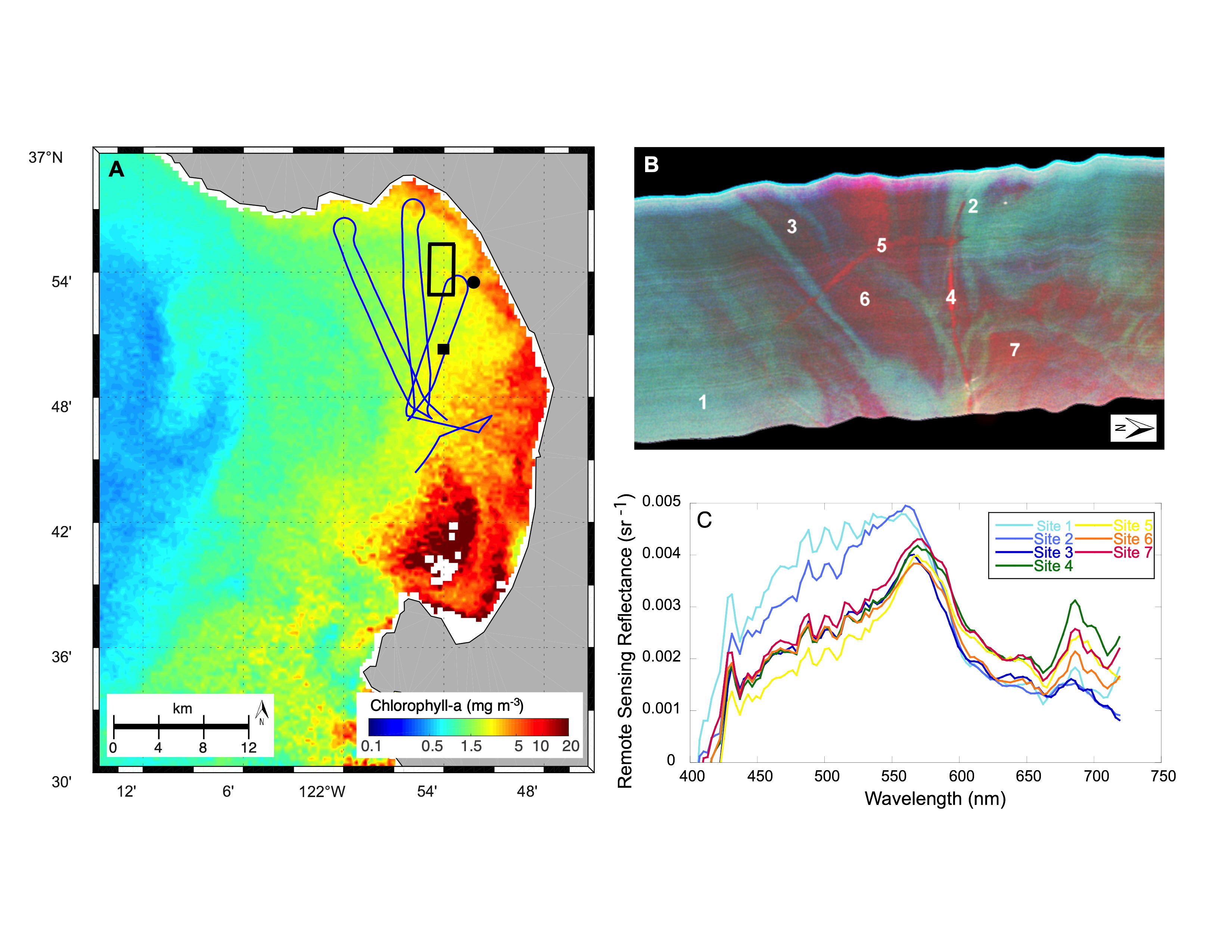
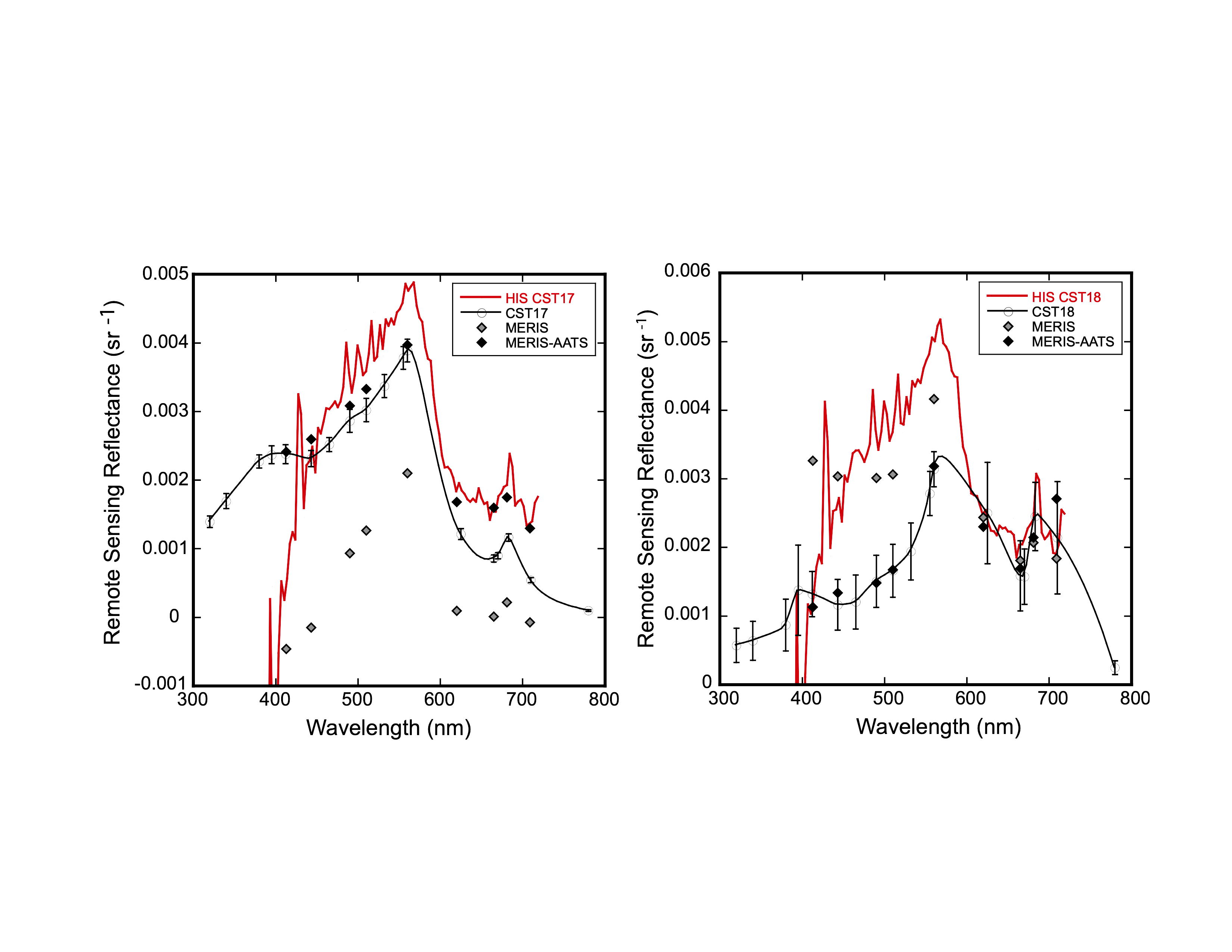
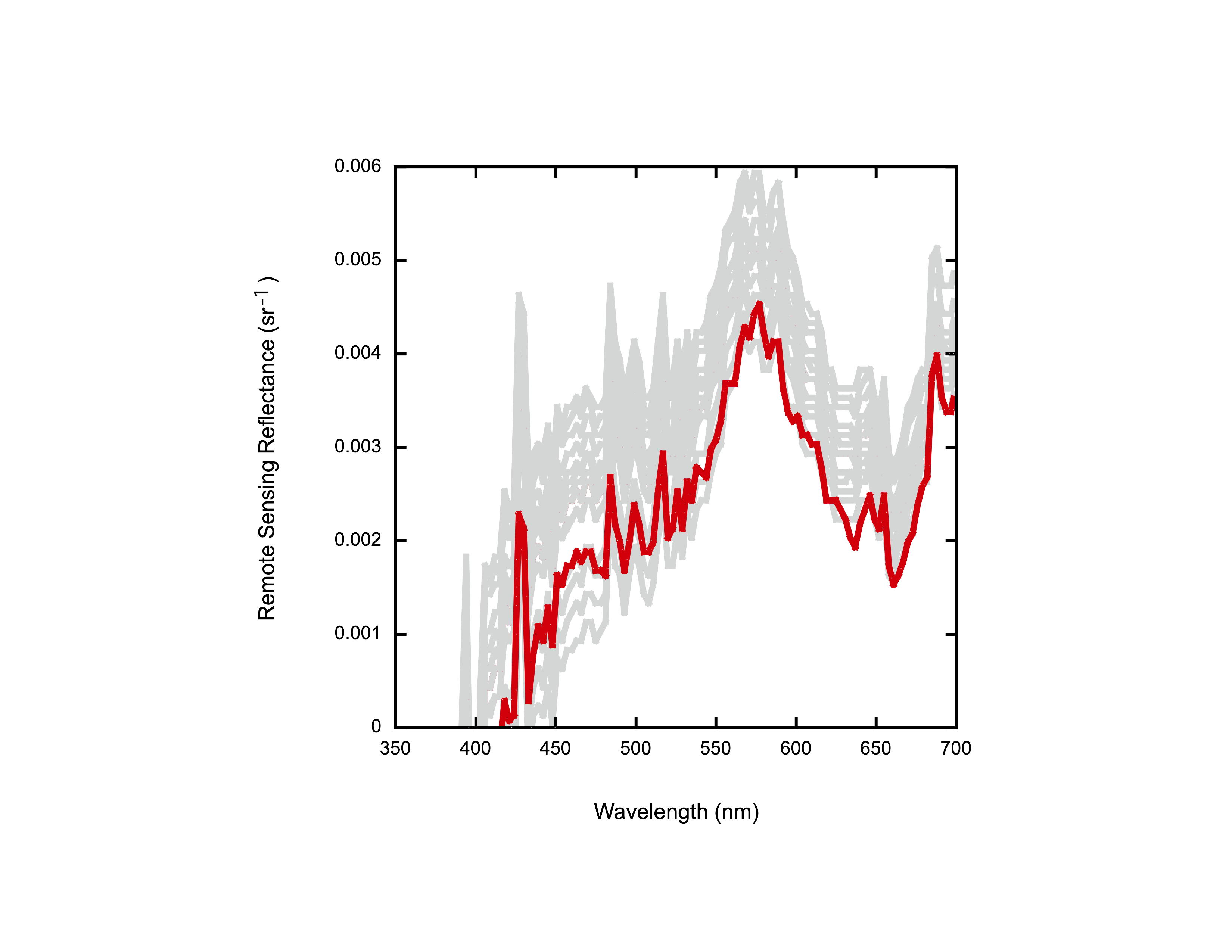
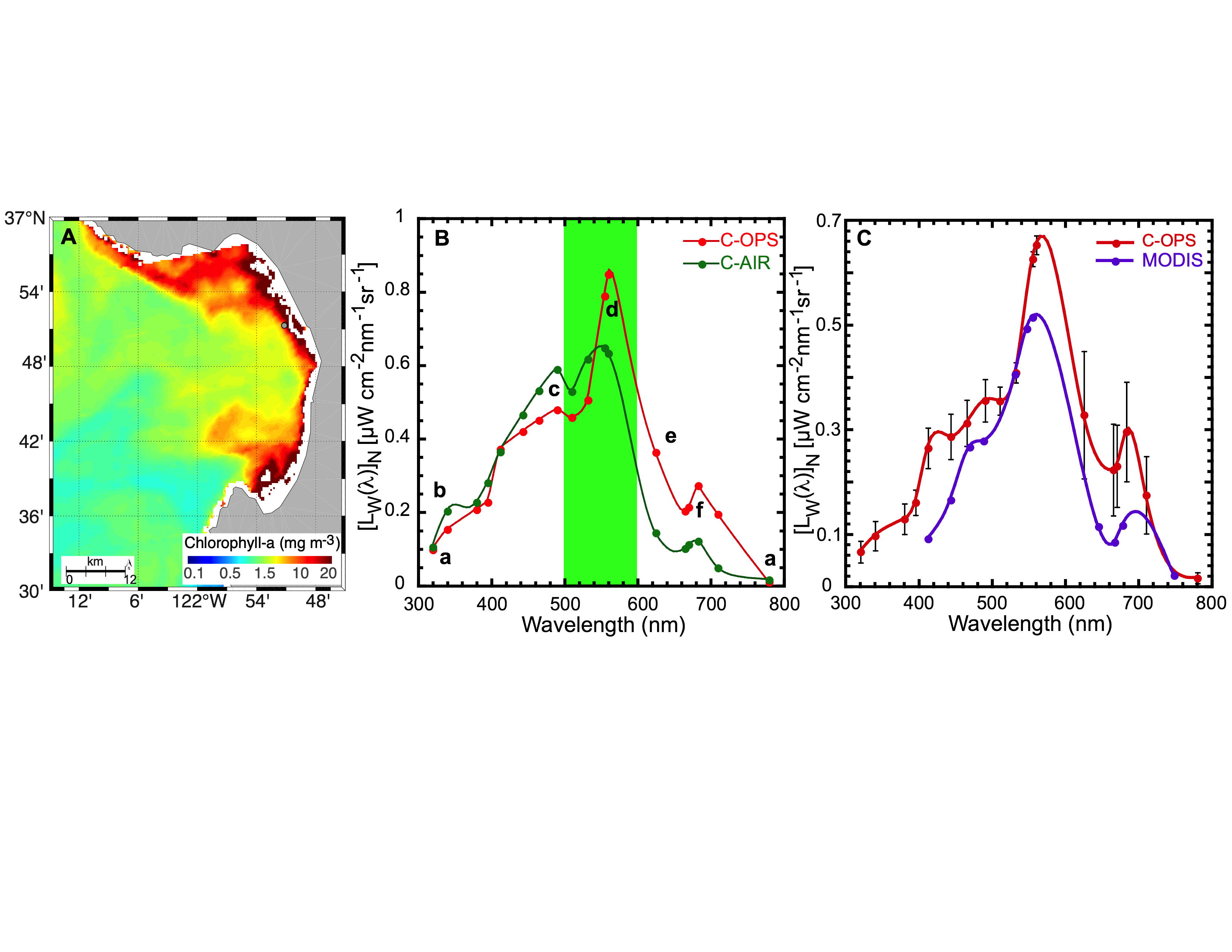
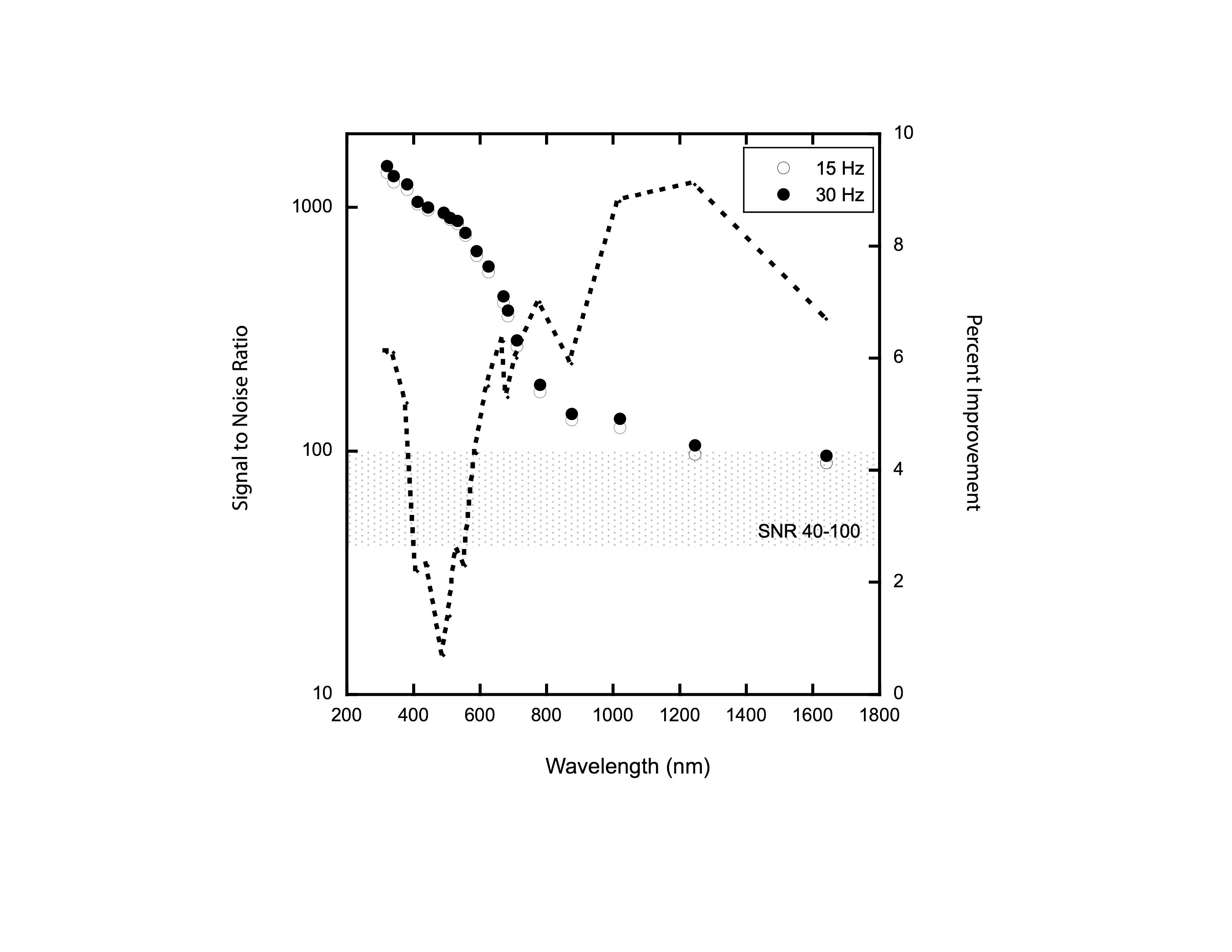
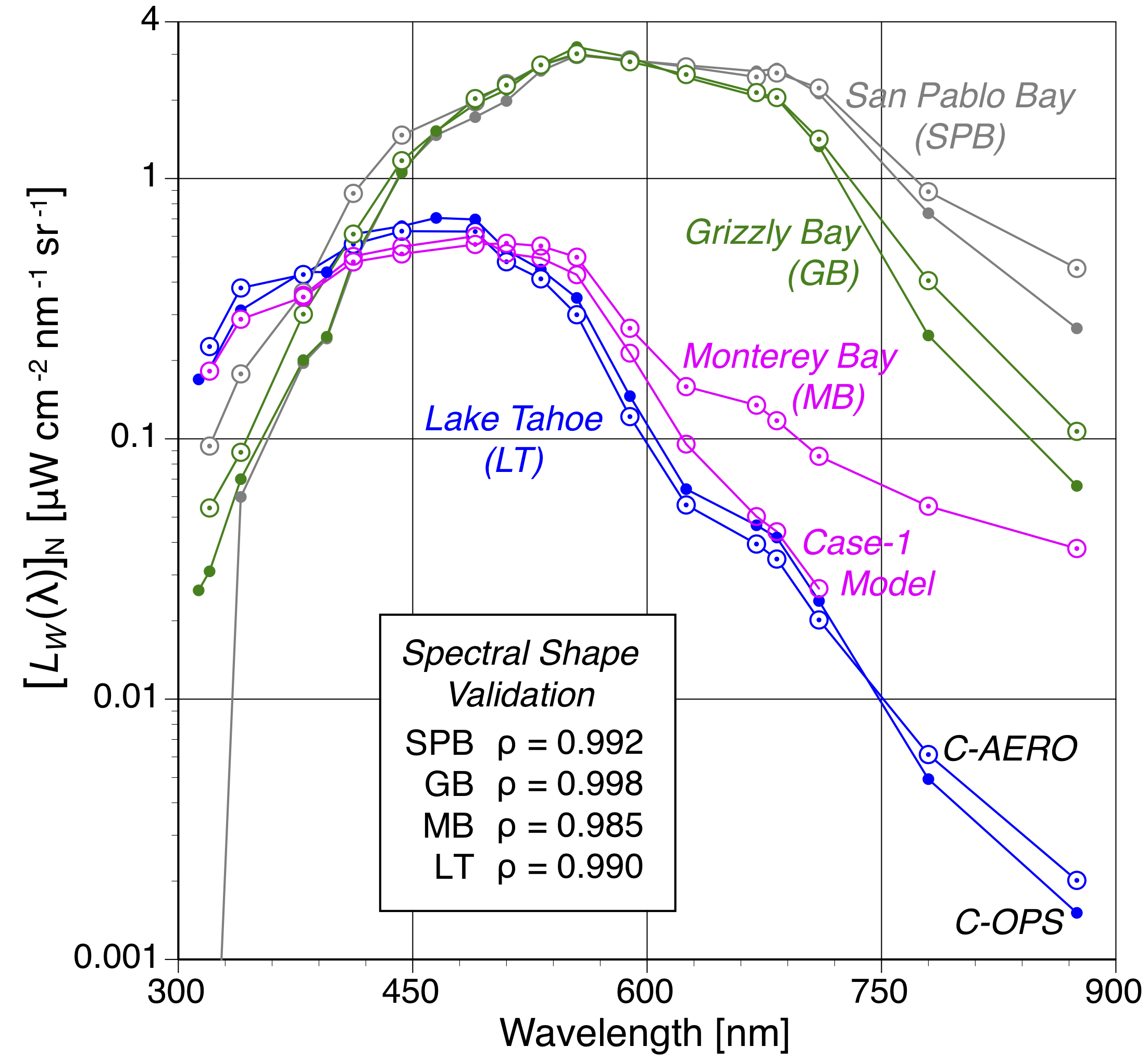
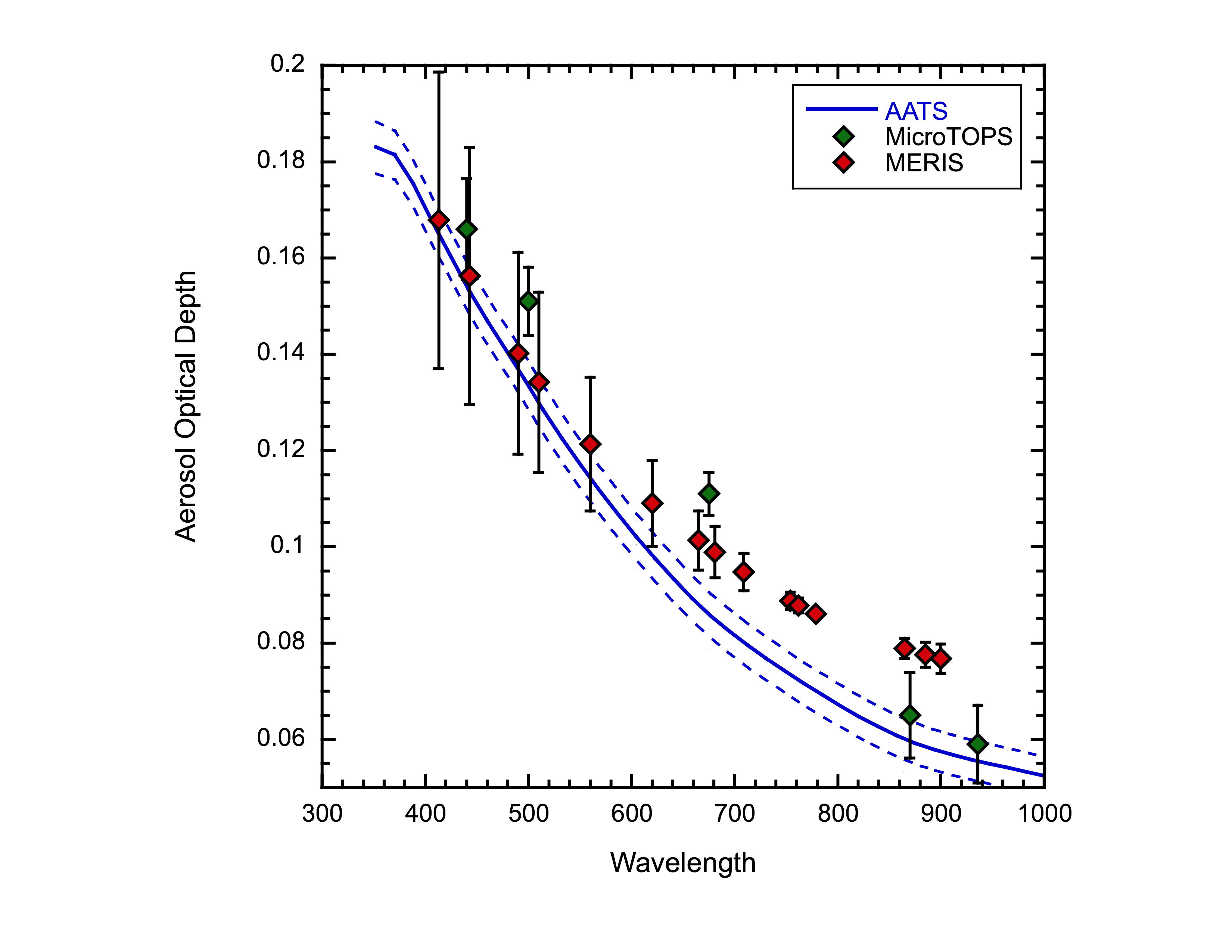
Airborne Radiometry for Calibration, Validation, and Research in Oceanic, Coastal, and Inland WatersPresent-day ocean color satellite sensors, which principally provide reliable data on chlorophyll, sediments, and colored dissolved organic material in the open ocean, are not well suited for coastal and inland water studies for a variety of reasons, including coarse spatial and spectral resolution plus challenges with atmospheric correction. National Aeronautics and Space Administration (NASA) airborne mission concepts tested in 2011, 2013, 2017, and 2018 over Monterey Bay, CA, and nearby inland waters have demonstrated the feasibility of improving airborne monitoring and research activities in case-1 and case-2 aquatic ecosystems through the combined use of state-of-the-art above- and in-water measurement capabilities. These competencies have evolved through time to produce a sensor-web approach: imaging spectrometer, microradiometers, and a sun photometer (airborne) with their analogous algorithms, and with corresponding in-water radiometers and ground-based sun photometry. The NASA airborne instrument suite and mission concept demonstrations, leveraging high quality above- and in-water data, significantly improves the fidelity as well as the spatial and spectral resolution of observations for studying and monitoring water quality in oceanic, coastal, and inland water ecosystems. The goal of this series of projects was to develop and fly a portable airborne sensor suite for NASA science missions focusing on a gradient of water types from oligotrophic to turbid waters addressing the challenges of an optically complex coastal ocean zone and inland waters. The airborne radiometry in this range of aquatic conditions and sites has supported improved results of studies of water quality and biogeochemistry and provides capabilities for research areas such as ocean productivity and biogeochemistry; aquatic impacts of coastal landscape alteration; coastal, estuarine, and inland waters ecosystem productivity; atmospheric correction; and regional climate variability.
Document ID
20205001048
Acquisition Source
Ames Research Center
Document Type
Reprint (Version printed in journal)
Authors

Liane S Guild
(Ames Research Center Mountain View, California, United States)
Raphael M Kudela
(University of California, Santa Cruz Santa Cruz, California, United States)
Stanford B Hooker
(Goddard Space Flight Center Greenbelt, Maryland, United States)
Sherry L Palacios
(California State University, Monterey Bay Seaside, California, United States)
Henry F Houskeeper ORCID
(University of California, Los Angeles Los Angeles, United States)
Date Acquired
April 17, 2020
Publication Date
November 20, 2020
Publication Information
Publication: Frontiers in Environmental Science
Publisher: Frontiers Media
Volume: 8
Issue Publication Date: January 1, 2020
e-ISSN: 2296-665X
Subject Category
Oceanography
Earth Resources And Remote Sensing
Funding Number(s)
CONTRACT_GRANT: NNH16ZDA001N
CONTRACT_GRANT: NNH12ZDA001N
PROJECT: 16-AITT16-0016
Distribution Limits
Public
Copyright
Portions of document may include copyright protected material.
Technical Review
Professional Review
Keywords
atmospheric correction
radiometry
water quality
inland waters
coastal
ocean color